In terms of what influenced us during the research and planning stage of this film, five films and one director instantly spring to mind. They are: “GoodFellas,” “Chinatown,” “Lock, Stock, and Two Smoking Barrels,” “Kill Bill,” “Fargo,” and Quentin Tarantino.
“GoodFellas,” is, arguably, the single biggest influence on this film. Martin Scorsese’s direction and Michael Ballhaus’ cinematography, along with the costumes, the dialogue, and the overall look, fell and mood were huge influences on us. Scorsese’s work has influenced many people, our group included, and we want to use this film as a way of paying homage to him, honouring him, and even paying reference to him (this is most evident in the way in which we plan to begin our film [with a car cruising past the screen and out of the frame]).

“Chinatown,” with regards to the character that Faye Dunaway plays, is another big influence on this film. Dunaway plays Evelyn Mulwray, a classic example of a femme fatale. Izabella’s character is based largely on Evelyn, especially with her costume, her dialogue, and the role she plays in the film. Also, with this film, we want to subvert the stereotypical role of women in film with our film. We want Izabella’s character to be menacing, strong and tough, whilst at the same time not losing any of her femininity. We also want for there to be an element of mystery about Izabella’s character. All the audience are told about her is surface information, and so this will allow for the film to be an active, rather than a passive, watching experience, and the audience will be required to do some of the work for themselves, rather than us doing all the work for them. This, we believe, will allow the film to be a richer, more satisfying experience.

“Lock, Stock, and Two Smoking Barrels,” with regards to its’ classic poker scene, is another huge influence on this film. The poker scene in “Lock, Stock,” is an extremely tense scene, and makes the audience feel very edgy, very nervous. We want for the poker scene in our film to make the audience feel the same, and, perhaps, even more so. Also, in terms of the way the scene in “Lock, Stock,” was shot, we want to pay homage to Guy Ritchie and his film, in a similar manner to how we want to pay homage to Martin Scorsese and “GoodFellas,” by paying reference to “Lock, Stock,” in our film. This includes lifting lines of dialogue and shots from “Lock, Stock,” and using them in our film, in order to show to the audience that we know these films and appreciate them, and hope that the audience know these films and appreciate them as much as we do. This, we hope, will heighten the experience the audience get from watching the film.

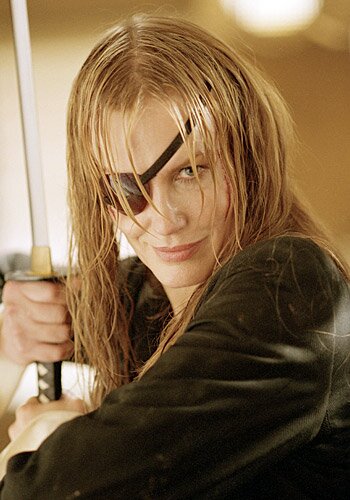
“Kill Bill,” with regards to its’ female characters and dialogue, are another influence on this film. Izabella’s character, whilst being influenced by Faye Dunaway’s character in “Chinatown,” is also influenced by the character that Darryl Hannah plays in the film, Elle Driver. Elle, similar to Evelyn, is a femme fatale, and is strong and tough but not in the least bit masculine. This character is a huge influence on Izabella’s character, not least in the way she is dressed (with lots of use of black), but also her dialogue, and the way in which she asserts herself on to those she views as being weaker then herself.

“Fargo,” with regards to the kidnapping plot and the character that William H. Macy plays, is another influence on this film. Our film revolves around the kidnapping of Cassie, a seemingly stereotypical damsel in distress. The kidnapping drives the film, as it is what the first half of the film, after the opening credits of course, leads up to, and then the conclusion of the film is the consequence of this kidnapping.* Also, William H. Macy’s character, Jerry, is another influence on this film. Macy plays a wormy, sleazy character called Jerry Lundegaard who arranges for his wife to be kidnapped in order to secure her father’s fortune. Cassie’s father is called Jerry, and he, similarly to Macy’s character, is a wormy, slimy, sleazy little man, whose actions lead to his daughter’s kidnapping. In regards to our desire of wanting to subvert gender stereotypes, we want Jerry and Izabella to be polar opposites of each other. Whilst Izabella is strong, level headed, and somewhat noble, Jerry is weak, selfish, and stupid. In making Jerry this way, it is our intention to subvert the stereotype that men are the protectors and the ones who make the best decisions, whilst women need to be protected and are the ones are incapable of following through with anything.

Finally, Quentin Tarantino is another gargantuan influence on this film. From his strong female characters, to his ultra sharp dialogue, to his encyclopaedic knowledge of films, Tarantino and his work have influenced us largely, if only for the fact that his films are extremely stylish, memorable, and refreshing, and we want to make this a film that can measure up to his own, and to make this the best film we can given our own knowledge of the film medium.
“GoodFellas,” is, arguably, the single biggest influence on this film. Martin Scorsese’s direction and Michael Ballhaus’ cinematography, along with the costumes, the dialogue, and the overall look, fell and mood were huge influences on us. Scorsese’s work has influenced many people, our group included, and we want to use this film as a way of paying homage to him, honouring him, and even paying reference to him (this is most evident in the way in which we plan to begin our film [with a car cruising past the screen and out of the frame]).

“Chinatown,” with regards to the character that Faye Dunaway plays, is another big influence on this film. Dunaway plays Evelyn Mulwray, a classic example of a femme fatale. Izabella’s character is based largely on Evelyn, especially with her costume, her dialogue, and the role she plays in the film. Also, with this film, we want to subvert the stereotypical role of women in film with our film. We want Izabella’s character to be menacing, strong and tough, whilst at the same time not losing any of her femininity. We also want for there to be an element of mystery about Izabella’s character. All the audience are told about her is surface information, and so this will allow for the film to be an active, rather than a passive, watching experience, and the audience will be required to do some of the work for themselves, rather than us doing all the work for them. This, we believe, will allow the film to be a richer, more satisfying experience.

“Lock, Stock, and Two Smoking Barrels,” with regards to its’ classic poker scene, is another huge influence on this film. The poker scene in “Lock, Stock,” is an extremely tense scene, and makes the audience feel very edgy, very nervous. We want for the poker scene in our film to make the audience feel the same, and, perhaps, even more so. Also, in terms of the way the scene in “Lock, Stock,” was shot, we want to pay homage to Guy Ritchie and his film, in a similar manner to how we want to pay homage to Martin Scorsese and “GoodFellas,” by paying reference to “Lock, Stock,” in our film. This includes lifting lines of dialogue and shots from “Lock, Stock,” and using them in our film, in order to show to the audience that we know these films and appreciate them, and hope that the audience know these films and appreciate them as much as we do. This, we hope, will heighten the experience the audience get from watching the film.

“Kill Bill,” with regards to its’ female characters and dialogue, are another influence on this film. Izabella’s character, whilst being influenced by Faye Dunaway’s character in “Chinatown,” is also influenced by the character that Darryl Hannah plays in the film, Elle Driver. Elle, similar to Evelyn, is a femme fatale, and is strong and tough but not in the least bit masculine. This character is a huge influence on Izabella’s character, not least in the way she is dressed (with lots of use of black), but also her dialogue, and the way in which she asserts herself on to those she views as being weaker then herself.
“Fargo,” with regards to the kidnapping plot and the character that William H. Macy plays, is another influence on this film. Our film revolves around the kidnapping of Cassie, a seemingly stereotypical damsel in distress. The kidnapping drives the film, as it is what the first half of the film, after the opening credits of course, leads up to, and then the conclusion of the film is the consequence of this kidnapping.* Also, William H. Macy’s character, Jerry, is another influence on this film. Macy plays a wormy, sleazy character called Jerry Lundegaard who arranges for his wife to be kidnapped in order to secure her father’s fortune. Cassie’s father is called Jerry, and he, similarly to Macy’s character, is a wormy, slimy, sleazy little man, whose actions lead to his daughter’s kidnapping. In regards to our desire of wanting to subvert gender stereotypes, we want Jerry and Izabella to be polar opposites of each other. Whilst Izabella is strong, level headed, and somewhat noble, Jerry is weak, selfish, and stupid. In making Jerry this way, it is our intention to subvert the stereotype that men are the protectors and the ones who make the best decisions, whilst women need to be protected and are the ones are incapable of following through with anything.

Finally, Quentin Tarantino is another gargantuan influence on this film. From his strong female characters, to his ultra sharp dialogue, to his encyclopaedic knowledge of films, Tarantino and his work have influenced us largely, if only for the fact that his films are extremely stylish, memorable, and refreshing, and we want to make this a film that can measure up to his own, and to make this the best film we can given our own knowledge of the film medium.


No comments:
Post a Comment